Pigmentation, redness and skin texture
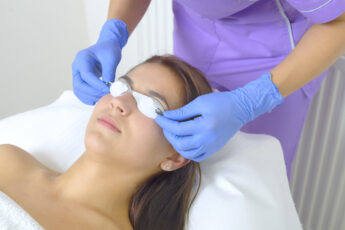
Intense pulsed light (IPL) is a light-based treatment that targets colour in the skin. Melanin in pigmented spots and haemoglobin in visible blood vessels absorb the light energy, which is converted to heat. The body then clears the treated pigment or vessel over the following weeks.
Concerns that IPL is commonly used to assess and treat include:
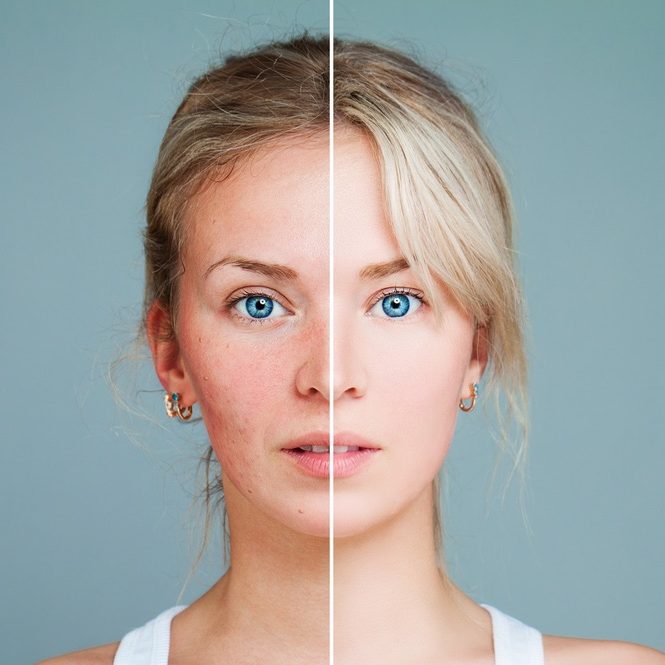
- Sun spots, age spots and freckles
- Diffuse redness, rosacea and visible capillaries on the face
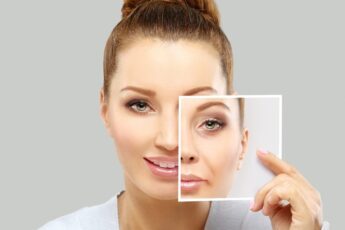
- Uneven skin tone and texture
Unlike a laser, which uses a single wavelength, IPL delivers a broad range of wavelengths, which allows several concerns to be treated in one session. It is not suitable for every skin type. People with darker skin tones, a recent tan, or a history of keloid scarring may not be suitable candidates, and this is assessed at your consultation. A course of treatments is usually needed.
Risks and recovery
Common effects include redness, mild swelling and a warm, sunburn-like feeling for a few hours to a few days. Pigmented spots often darken and flake off over one to two weeks. Less common effects include blistering, bruising, changes in pigmentation (lighter or darker patches) or cold sore reactivation. Rare effects include burns or scarring. Sun protection is essential before and after treatment. Damien explains the risks relevant to you and provides written aftercare.
Contact Damien to arrange a consultation.
Some treatments involve prescription-only medicines, which cannot be advertised in Australia. Whether a treatment is suitable for you is decided at your consultation. All cosmetic procedures carry risks. Individual results vary, and the outcomes experienced by one person do not necessarily reflect the outcomes others may experience. Cosmetic procedures are not provided to people under 18.
Damien Smith, Registered Nurse (Division 1), Nurse Practitioner. Ahpra registration NMW0001614340.